A rising water bill, a damp patch on the floor, or the sound of running water with every fixture off usually means a hidden leak, not a haunted house. We locate it using acoustic listening equipment, thermal imaging, and moisture mapping, so the exact spot gets opened up instead of an entire wall or slab. For leak detection Boise Idaho homeowners can rely on, especially in older North End and East End homes still running galvanized or early copper supply lines, finding the leak precisely is what keeps the repair small.
Any one of these on its own is worth a look. Two or more together usually means the leak has been active for a while.
Guessing where to cut into drywall or concrete wastes money and time. These are the methods that let us skip the guesswork. None of these methods require opening a wall or slab first. That step only happens once the source is confirmed.
Sensitive listening equipment picks up the specific sound a pressurized line makes at the point of a leak, even through concrete or drywall. This is usually the first method used on a slab or wall leak.
For leaks that resist acoustic methods, usually low pressure or very small leaks, a safe tracer gas is introduced into the line and detected as it escapes through the smallest crack.
A thermal camera reads temperature differences across a floor or wall. A hot water line leak often shows up as a warm patch invisible to the eye but obvious on camera.
A moisture meter tracks how far water has actually spread behind a wall or under flooring, which tells us the full scope of the damage, not just the source point.
We test with the right method
Acoustic first for slab and wall leaks, thermal imaging or moisture mapping depending on what we find.
We mark the exact location
You get a written repair plan
The access point is kept as small as possible once the source is confirmed.
The area is tested again after repair
Confirming the leak is actually resolved, not just quieter with workmanship guarantee.
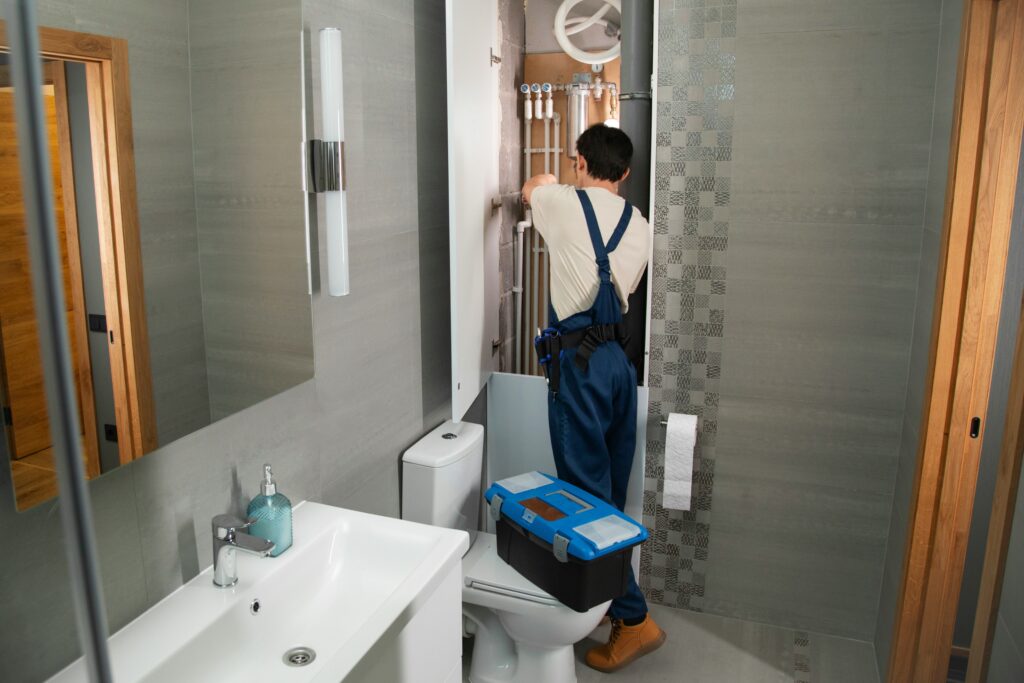
A confirmed leak location means opening a few inches of wall or slab instead of an entire section.
Water sitting behind a wall or under flooring for weeks creates problems well beyond the original leak.
A leak that runs unnoticed for months adds up on every billing cycle until it's found.
A slab leak left unaddressed can undermine the concrete itself over time.
Leak detection pricing depends on a few real factors rather than a flat number quoted blind:
A written estimate is provided once the source is confirmed, before any repair work begins. Ask your insurance provider whether the detection and resulting repair may be covered, since policies in Idaho vary and typically depend on whether the damage was sudden versus a leak that developed gradually over time.
We serve Boise and the surrounding Treasure Valley, including Meridian, Eagle, Nampa, Caldwell, Star, Kuna, and Garden City. That covers everything from older galvanized supply lines in the North End to newer slab foundation homes across West Boise and Harris Ranch.
Acoustic listening equipment, thermal imaging, moisture mapping, and tracer gas detection are used depending on the type of leak and where it’s suspected to be.
No, all four detection methods are non invasive. Opening a wall or slab only happens once the exact source is confirmed, and the access point is kept as small as possible.
It depends on the policy and the cause. Sudden, accidental leaks are more commonly covered than damage from a leak that developed gradually over months or years. Checking directly with your insurance provider is the most reliable way to know what your specific policy covers.
Most residential visits are completed in a single appointment, though the exact time depends on how many methods are needed to confirm the source.
An unexplained rise in your water bill, a meter that keeps moving with everything off, warm spots on flooring, or the sound of running water inside a wall are the most frequent indicators.
Homes in the North End and East End often still run on original galvanized or early copper supply lines, which develop pinhole leaks as the material ages, something newer PVC and PEX lines are far less prone to.
Yes, the same visit typically includes a written repair plan once the source is confirmed, so you’re not left coordinating a second appointment with a different company.
Acoustic, thermal, and tracer gas methods find the exact source first, so only the smallest necessary opening gets made. A written plan, a documented guarantee, and no guesswork.
Lorem ipsum dolor sit amet, consectetur adipiscing elit. Ut elit tellus, luctus nec ullamcorper mattis, pulvinar dapibus leo.